Alphanova Sun SPF50 Organic Sunscreen Milk
Alphanova Sun SPF50 organic sunscreen milk does NOT CONTAIN chemical filters, parabens, preservatives, or fragrances. Zinc oxide has also been removed from the formula. The hypoallergenic composition is designed for babies but is also suitable for adults and people with sensitive skin. The formula is safe for marine ecosystems and coral reefs.
This fragrance-free sunscreen milk is suitable from birth. It provides protection immediately after application. It does not clog pores, is non-sticky, and does not leave the skin greasy. The organic jojoba oil and aloe vera leaf juice powder in the formula moisturize and protect the skin.
Active Ingredients
Aloe Vera – moisturizes the skin and has anti-inflammatory properties
Jojoba Oil – moisturizes and soothes the skin (natural sun protection SPF4)
Titanium Dioxide – a mineral filter that protects against UVA and UVB rays by reflecting them from the skin’s surface
The ingredients do not harm marine ecosystems or coral reefs.
Protection begins immediately after application.
Very water-resistant.
Directions for Use
Shake the tube before use. Apply a thin layer to the face and body and rub in until absorbed. Although the cream is highly water-resistant, it is recommended to reapply every two hours.
Do ALPHANOVA SUN sunscreens protect against both UVA and UVB rays?
Yes. Alphanova Sun products provide complete protection against harmful UVA and UVB rays.
Is it possible to tan while using SPF50 sunscreen?
Yes. SPF indicates how long the product protects against harmful UVA and UVB rays — meaning how long you can stay in the sun without getting sunburned. Generally, SPF1 equals approximately 10–15 minutes (less for fair or sensitive skin).
No SPF blocks 100% of harmful rays:
SPF50 blocks 98%
SPF30 blocks 97%
SPF15 blocks 93%
Regardless of SPF level, sunscreen should be reapplied at least every two hours, as wind, seawater, and sand can reduce its effectiveness.
Why choose mineral filters over chemical filters?
Chemical filter sunscreens contain compounds that are absorbed into the skin and may cause harm. Chemical filters are also found in some baby and children’s sunscreens, even those labeled hypoallergenic or dermatologically tested. Therefore, it is always recommended to carefully review the ingredient list before purchasing sunscreen.
Well-known chemical sunscreen filters and potential concerns:
Octocrylene – when exposed to UV light, it can generate oxygen radicals that may damage cells and cause mutations. It is easily absorbed and may remain in the body for a long time. It may also be harmful to the environment.
Oxybenzone – may cause skin allergies, damages coral reefs, and may disrupt hormones (affecting estrogen in women and testosterone in men).
Homosalate – may damage DNA and disrupt hormones.
Octinoxate – may cause allergies, dermatitis, and acne.
Why do mineral sunscreens leave a white cast? Do all mineral sunscreens leave one?
Mineral sunscreens may leave a white layer due to protective filters such as zinc oxide and titanium dioxide. The larger the particle size, the more visible the white cast. The appearance of a white layer also depends on the other ingredients in the formula. Oils can make application easier and reduce the visibility of the white cast (though a very light layer may still remain).
However, this protective layer helps shield you and your children from sunburn and harmful rays. It is important to shake mineral sunscreens before use to ensure the oils and filters are properly mixed — even if the product is in a tube.
|
 Baby care kits
 Baby combs
 Baby toilet seats
 Baby towels
 Bath inserts and seats
 Bath stands
 Bath thermometers
 Bath toys
 Bathroom toy holders (organizers)
 Changing surfaces
 Children`s bathrobes
 Ear buds
 High chair
 Nasal aspirators
 Non-slip bath mats
 Potties
 Shampoo protection
 Sheets for changing surface
 Sponges
 Baby`s bathtubs
 Baby changing table
 Baby linen
 Baby scales
 Diaper accessories
 Diapers
 Disposable diapers
 Napkins
 Reusable nappies
 Thermophores, Heaters
 Accessories for baby carriers and slings
 Shoulder-cloths
 Baby carriers
 Babygro
 Babygrow with long sleeves
 Babygrow with short sleeves
 Children's clothing
 Children`s jackets
 Children`s swimming trunks and swimwear
 Children`s tights
 Children`s tracksuits
 Children`s underwear
 Dresses, sundresses, skirts for girls
 Gloves, mittens
 Handkerchiefs, scarves
 Hats
Hats Hats for children
 Kits for newborns
 Mittens for newborns
 Pajamas
 Pants
Pants Slippers, shoes for children
 Socks for children
 Suites (creepers with blouse)
 Suites (pants with blouse)
 Suites (shorts with a shirt)
 Summer onesies
 Bathroom accessories
 Children`s Plasters
 Cosmetics for girls
 Electric toothbrushes, accessories
 Face care
 Hair styling and straightening appliances
 Irrigators
 Joint orthoses and bandages
 Manicure and pedicure accessories
 Massage accesories
 Products for baby hygiene
 Shavers, trimmers for men
 Skin care products
 Sunscreen cosmetics
 Thermometers
 Toothpastes and brushes for children
 Trimmers, epilators for women
 Sports and fitness
 Accessories for car seats
 Adapters
 Base for car seats
 Car seat inserts and covers
 Car sunshade
 Head cushion
 Protective mats for car seats, car mirrors
 Car seats (booster) 15-36kg
 Auto carry 0-13kg
 Car seats 0-18kg
 Car seats 15-36kg
 Car seats 9-18kg
 Car seats 9-36kg
 Car seats 0-25kg
 Car seats 0-36kg
 Accessories for children's vehicles
 Bicycles without pedals/runbikes
 Electric bicycles
 Push stand-up scooters
 Rollers
 Skateboards
 Skates
 Skis
Skis SUP boards
 Three-wheelers
 Push cars
 Babywalker
 Child bike seats
 Sledge
 Children`s pedal cars
 Electromobiles
 Two-wheelers
 Baby protection accessories
 Children glasses for digital devices
 Leash holder (reins) for children
 Noise-suppressing headphones for children
 Protective helmets
 Repellents
 Security systems
 Babyphones and video baby monitors
 Bibs, Burp cloths
 Biscuits
 Bottle and teat dryers
 Bottle washing brushes
 Children`s dishes
 Children`s serving pieces
 Educational cups
 Feeding bottles
 Formula milk
 Nibbler-strainer for feeding
 Non-slip table mats
 Porridge
 Purees
 Snack dishes
 Soothers for bottles
 Spare parts
 Thermal bags
 Accessories for chairs
 Bunk beds
 Mattresses
 Musical merry-go-rounds
 Projectors, Nightlights
 Toy boxes
 Crib accessories
 Soft chairs
 Cots and cribs for travel
 Highchairs
 Tables and chairs
 Kids` desks
 Cots for infants
 Beds for teens
 Dressers
 Wardrobes, shelves
 Furniture sets
 Balloons
 Calendars
 Candles for cake
 Carnival Costumes for Children
 Casting kits
 Face paints
 For Easter
 Gift cards
 Halloween
 Invitation cards, postcards, bags
 Money boxes
 Pens
Pens Soap bubbles
 All for Christmas
 Decorative letters
 Breast milk storage
 Breast pumps
 Breastfeeding pads
 Briefs for pregnant women and mothers
 Foundation sleeveless undershirt
 Groceries
 Horseshoe feeding pillows
 Hygiene products for mothers
 Nursing bras
 Peldkostīmi
 Protective nursing pads
 Support belts
 Tights and Leggings for moms
 2-piece bedding set
 3-piece bedding set
 4-piece bedding set
 5-piece bedding set
 6-piece bedding set
 Baby sheets
 Bed linen for the cradle
 Blankets
 Blankets, pillows, pillowcases, covers
 Canopies for baby cribs
 Cocoons (nests) for newborns
 Envelopes and sleeping bags for newborns
 Ledges in the crib
 Organizers for baby cribs
 Auto products
 Batteries
 Blenders, choppers, juicers
 Boxes, hangers and garment bags
 Brackets and mountings, wires
 Building tools
 Camping and hiking
 Coffee machines, accessories
 Cutting boards, kitchen scales
 Dishes, cutlery
 Electric grills, Toster, Waffle
 Food storage utensils
 Fryers
 Game consoles, games
 Garden goods
 Heaters, sterilizers
 Home climate control appliance
 Humidifiers, aromatizers
 Irons, ironing boards
 Mixers, foaming units
 Mobile phones and accessories
 Multicookers, pressure cookers
 Sewing machines, accessories
 Spatulas, Shredders, Choppers, etc
 Special cooking appliances
 Teapots
 Trash bins, bags
 TV, PC, Audio, Photo and video equipment
 Vacuum cleaners
 Zoo products
 Cleaning products
 Water filters, carbonating equipment
 Chaise longues accessories
 Baby seesaw
 Longues
 Rocking horses
 Children`s bags, backpacks
 Children`s suitcases Trunki
 Children`s sunglasses
 Children`s tattoos
 Craft sets
 Drawing kits
 Globuss
 Jewellery, watches, keychains
 Magnetic and Drawing boards
 Office equipment
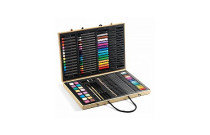 Pencils, crayons, markers
 Plasticine, modeling masses, kinetic sand, slimes
 Scratchpad
 Sets for the children`s jewelry making
 Stickers for kids
 Umbrellas for children
 Additional accessories for baby carriages
 Baby nests and sleeping bags
 Bags for mothers
 Bed linen for baby carriage
 Gloves for strollers and baby carriages (sleeves)
 Inserts and foot covers
 Mosquito nets for baby carriages
 Raincoats for baby carriages
 Umbrellas for baby carriages and strollers
 Cradles/seats
 Flight baby bassinets
 Strollers
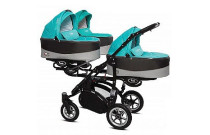 Strollers for triplets 2in1
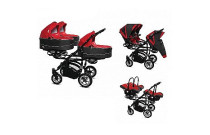 Strollers for triplets 3in1
 Strollers transformers
 Strollers for twins
 Baby carriages 2in1
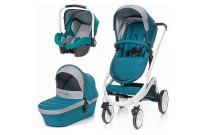 Baby carriages 3in1
 Baby carriages for twins 2in1
 Boxes for dummies
 Dummy accessories
 Pacifiers
 Teething toys
 Accessories for swimming
 Balls
Balls Beach toys
 Board games
 Children's tents and houses
 Doll beds, baths, houses, etc.
 Dolls
Dolls Educational toys
 Hanging toys
 Interactive toys
 Jumping balls
 Magic tricks
 Montessori Educational Toys
 Mosaic for children
 Music boxes
 Musical instruments
 Mystery Toys
 Playsets and toy figures
 Plush toys
 Pools with balls
 Push car toys
 Puzzle 3D
 Puzzles classic
 Puzzles for baby
 Puzzles wooden
 Pyramids for children
 Radio control toys
 Rattle boxes
 Rokas lelles
 Sport games
 Tinker toys
 Toy rudders
 Toy vehicles, tracks
 Toy weapon
 Tummy-time mats
 Wooden educational toys
 Role playing sets
 Water guns
 Carriage for dolls
 Children's slides and sandboxes
 Playgrounds